Mojave Desert vs. Coastal Quarries
Let’s talk about something that doesn’t come up at parties: where your rock comes from. I know. Thrilling topic. But if you’re the person responsible for sourcing crushed rock for a highway job or some kind of major infrastructure project, this is genuinely the kind of decision that can make your life a lot easier or a lot harder, and most people don’t think about it until they’re already in trouble.
How Much Aggregate Does a Highway Project Actually Need?
Here’s the setup. You need a serious amount of aggregate. Not “fill a few potholes” amount. We’re talking about a project where the rock order alone probably has its own line item, its own timeline, and possibly its own dedicated parking spot for trucks. A single lane-mile of highway base can require upwards of 10,000 tons of aggregate depending on depth and soil conditions. Multiply that across a multi-phase project and you’re not shopping around for a good deal on a pallet of pavers. You’re looking for a quarry that can actually sustain that volume for the life of the job.
So now you’ve got a decision: do you go with a coastal quarry, because that’s just sort of where everybody defaults to, or do you look inland, out toward the Mojave? It’s a little like picking a contractor for a major remodel. You could go with the shop everyone in the area uses, because that’s comfortable and familiar, or you could find out the operation three towns over does the exact same work, has way more availability, and isn’t double-booked through next spring. Most people don’t even consider option two because they don’t know it exists.
Coastal Quarry Suppliers in SoCal: The Default Choice and Its Limits
Coastal quarries have their thing going for them. They’re closer to a lot of the population centers, closer to a lot of the projects, and there’s a comfort in that — like ordering the thing on the menu you already know you like. But here’s the catch: everybody else likes that thing too. Coastal supply gets stretched thin fast, especially when three different contractors all need a thousand tons of base rock in the same month. Suddenly your “reliable” supplier is reliably out of what you need.
This is the part nobody budgets for. It’s not that coastal suppliers are bad. It’s that popularity has a ceiling. When every contractor in a hundred-mile radius is drawing from the same handful of coastal operations, you’re not just buying rock, you’re buying a place in line. And lines get long right around the time everyone’s trying to hit their summer construction deadlines. There’s also the permitting and operational constraint angle — coastal and near-urban quarries face more regulatory pressure and neighbor complaints, which can limit their operating hours, expansion plans, and long-term capacity.
Crushed Rock from the Mojave: Why Inland Quarries Work Better for Big Jobs
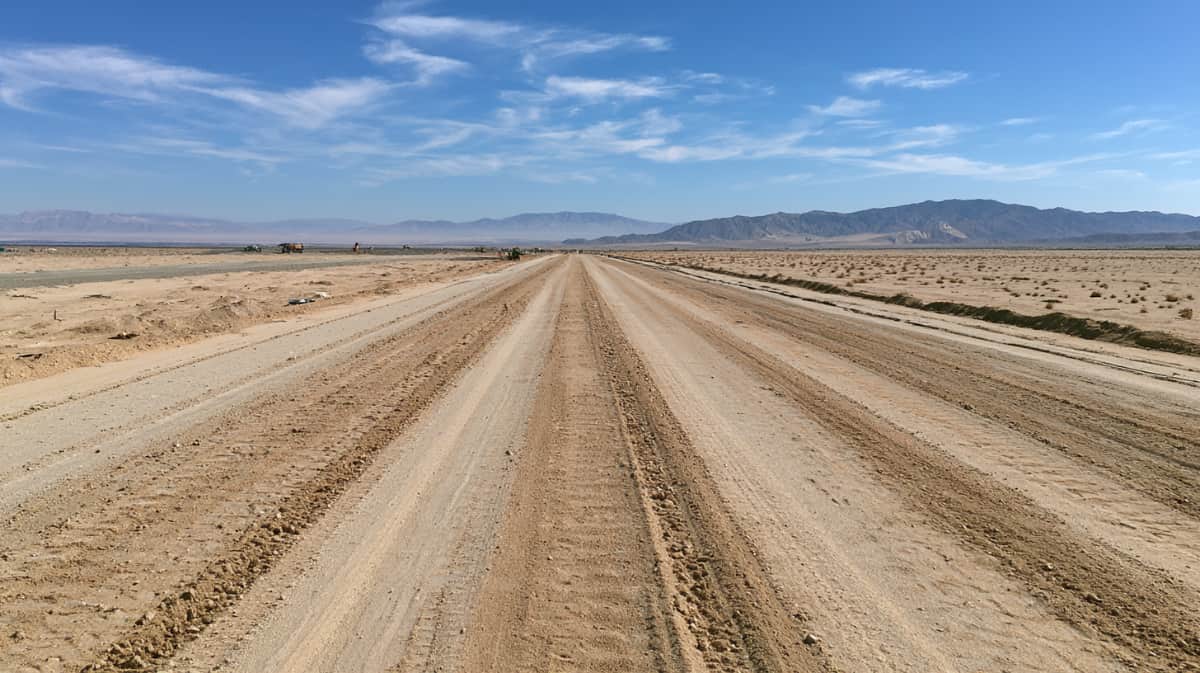
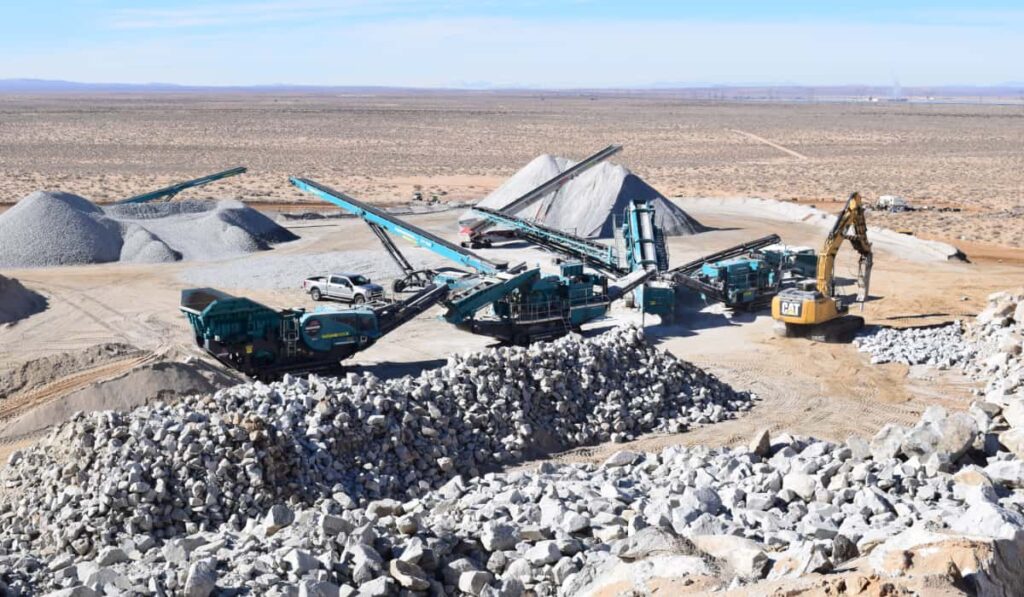
The Mojave side of things — and specifically a quarry out in Barstow — works a little differently. You’re dealing with a high-volume operation that isn’t fighting off the entire coastline for the same pile of rock. And because it’s sitting right along the I-15 corridor with easy access to I-40, you’re not actually losing much on the transportation side either. It’s not like hauling material in from the middle of nowhere. It’s more like hauling material in from a place that happens to have fewer neighbors competing for the same truck.
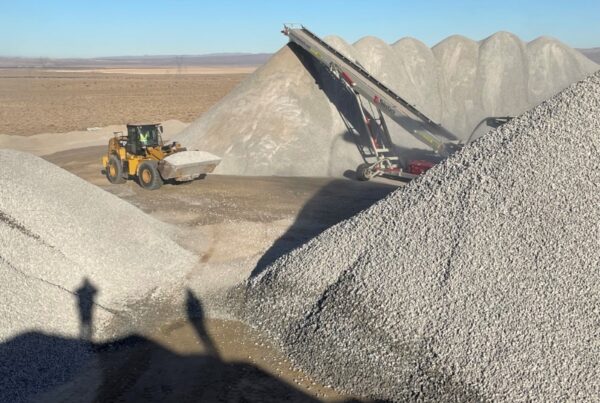
There’s also something to be said for an operation that’s built around volume from the ground up. Highway and infrastructure work doesn’t really tolerate “we’ll get you the rest next week.” A desert quarry that’s set up to produce at scale tends to handle that kind of demand without blinking, mostly because it was built for exactly that kind of demand in the first place. These aren’t operations that stumbled into big orders — they’re built around them.
What DOT Contractors and Infrastructure Firms Should Ask Suppliers
For DOT-level work or any big infrastructure build, the question isn’t just price per ton. It’s: can the quarry produce at the volume your project needs, and can it get there without your schedule falling apart. A desert quarry built for scale tends to win that comparison more often than people expect, mostly because nobody’s marketing it that way. It’s not glamorous. It’s not “ocean views and a tasting room.” It’s a quarry that produces a lot of rock and sits on a good road.
When you’re putting together a bid or sourcing plan, ask suppliers directly about sustained capacity across multi-phase timelines, not just what they can pull together for your first order. Ask about their experience with DOT spec materials specifically, since not every quarry produces aggregate that meets CalTrans or federal highway standards without extra processing. And ask what happens if your timeline slips — can they hold your allocation, or does it go to the next contractor in line.
A supplier that can quote you a great rate but can’t hold supply for the full duration of a long project isn’t saving you money. It’s just delaying the problem to a worse time, usually right when you’re trying to close out a phase and your next crew is already on site.
Finding the Right Crushed Rock Supplier for Your Southern California Highway Project
So if you’re comparing sourcing options for a highway project or anything infrastructure-sized in SoCal, it’s worth running the numbers on an inland Mojave supplier instead of just defaulting to the coast. The I-15 corridor makes Barstow closer than it feels on paper, the supply runs deeper, and an operation built for volume is going to handle your job differently than one that usually serves smaller contractors and has to scale up to meet you.
Sometimes the better option isn’t the one closest to the water. It’s the one that can actually keep up with you.
Ready to talk tonnage? Call Lynx Cat Mountain Quarry at 760-760-5969 and let’s figure out what your project needs.