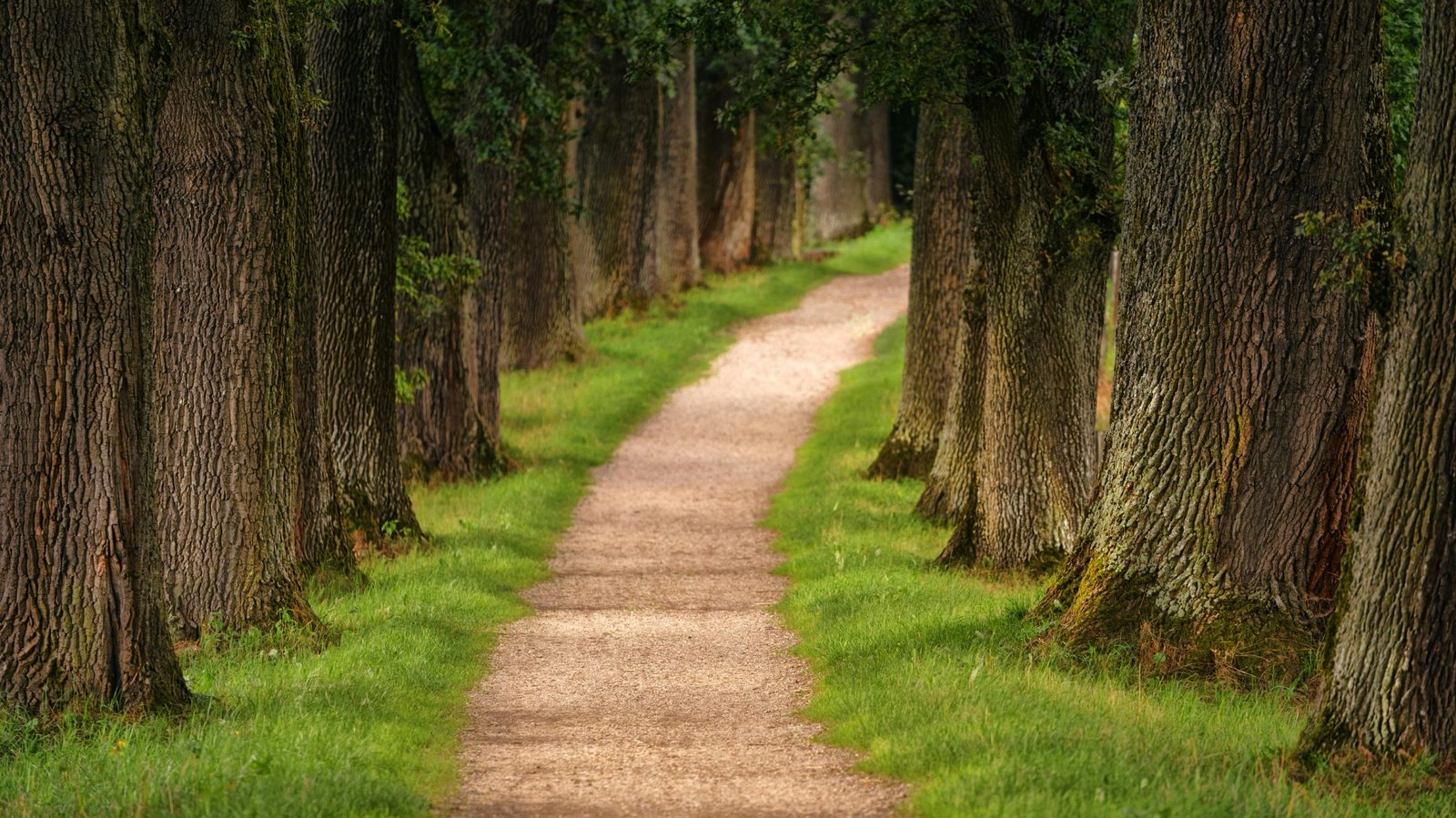
Decomposed granite walkways are a popular choice for commercial properties because they strike a rare balance: durable enough for steady foot traffic, flexible enough for large outdoor layouts, and natural enough to blend into professional landscapes without feeling overbuilt. You’ll see them used in business parks, campuses, HOAs, parks, vineyards, and event spaces—places where appearance matters but concrete isn’t always the right answer.
Building these walkways correctly, however, requires more than spreading granite and hoping for the best. The long-term performance of decomposed granite depends almost entirely on what happens beneath the surface.
Step 1: Plan the Walkway Layout and Drainage
Before material is delivered, establish the exact path alignment, width, and slope. Commercial walkways typically range from 4 to 8 feet wide depending on traffic volume. Gentle crowning or a slight cross-slope helps shed water and prevents pooling.
In Southern California landscapes, proper drainage is essential. Even infrequent rain can cause erosion if water has nowhere to go. Plan for runoff to move away from the walkway rather than collecting along the edges.
Step 2: Prepare and Compact the Subgrade
The subgrade is the native soil beneath the walkway. It must be graded smooth, cleared of organic material, and compacted. Soft or unstable soil should be removed and replaced with compactable fill.
Skipping subgrade preparation is the most common reason decomposed granite walkways fail. Settlement, rutting, and uneven surfaces almost always trace back to this step.
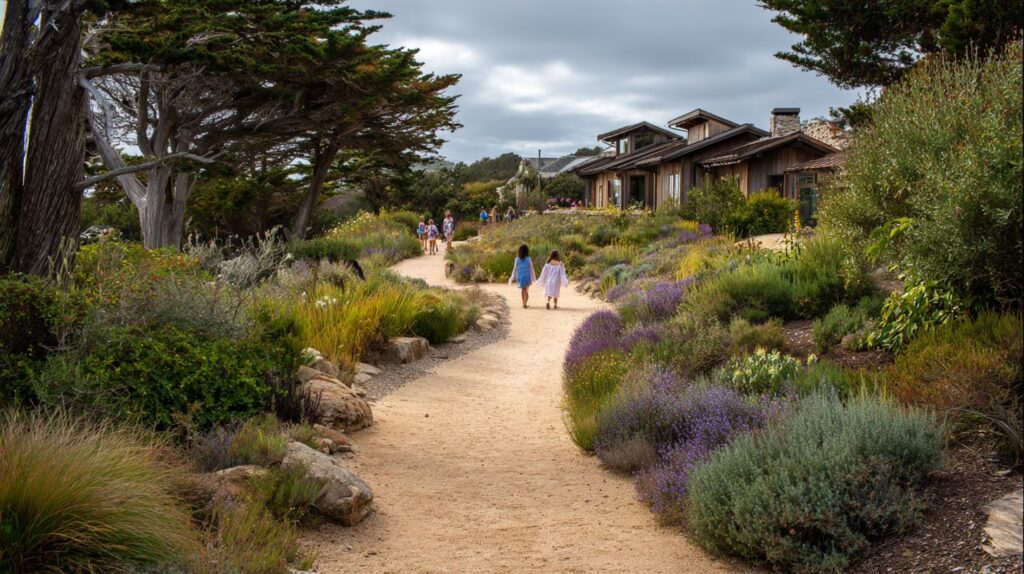
Step 3: Install a Structural Base Rock Layer
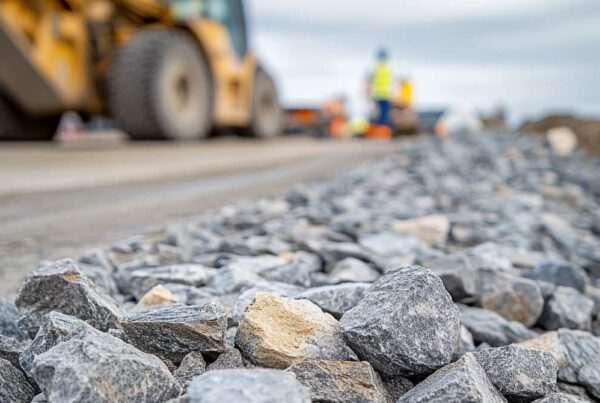
A compacted base rock layer provides the strength that keeps commercial walkways intact over time. Crushed aggregate with angular edges locks together under compaction, creating a stable foundation.
For most commercial applications:
- Install 4–6 inches of base rock for standard pedestrian traffic
- Increase thickness for areas expecting carts, maintenance vehicles, or heavier use
Compact the base in lifts using a plate compactor or roller to achieve proper density.
Step 4: Apply and Compact the Decomposed Granite Surface
Once the base is fully compacted, apply a 2–3 inch layer of decomposed granite. Spread it evenly and lightly moisten before compacting. Multiple passes with a plate compactor help bind the material into a smooth, firm surface.
For higher-traffic commercial walkways, stabilized decomposed granite can improve durability and reduce erosion, especially in sloped or exposed areas.
Step 5: Contain the Walkway Edges
Edge restraint is essential for maintaining clean lines and preventing material migration. Common edging options include steel edging, concrete curbs, stone borders, or adjacent hardscape.
Containment keeps the decomposed granite in place and significantly reduces long-term maintenance.
Step 6: Plan for Long-Term Maintenance
Decomposed granite walkways are low maintenance, not no maintenance. Periodic inspections, light regrading, and occasional top-off material help preserve appearance and function. Addressing small issues early prevents larger repairs later.
Why Decomposed Granite Works for Commercial Properties
When properly installed, decomposed granite walkways offer:
- Natural appearance suited to professional landscapes
- Good drainage and permeability
- Lower installation costs compared to concrete
- Easier repairs and modifications over time
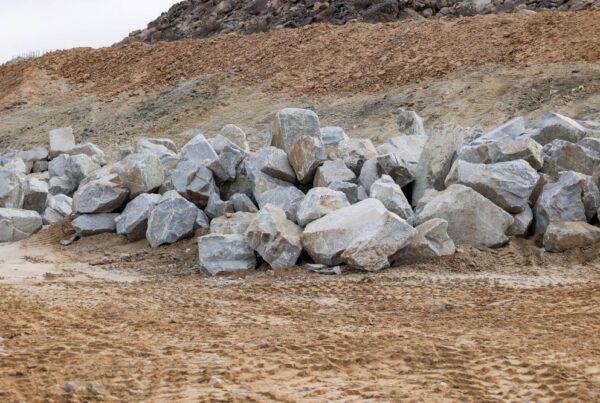
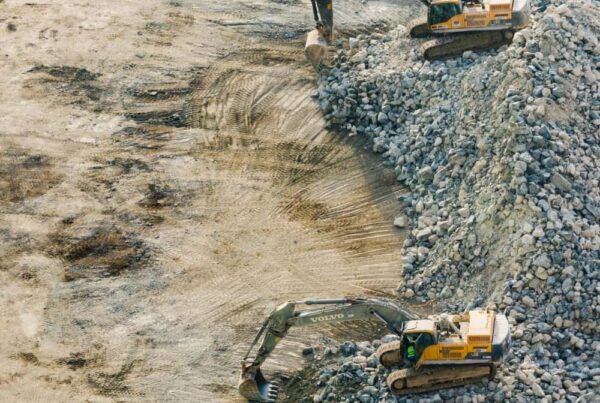
Working with a reliable quarry ensures consistent material quality and appropriate aggregate selection. Lynxcat Mountain Quarry supplies decomposed granite, base rock, and related aggregates for commercial and large landscape projects throughout the region.
Get Decomposed Granite Directly from a Southern California Quarry
When you’re planning commercial walkways or large landscape projects, where your material comes from matters. Lynxcat Mountain Quarry is a Southern California–based granite quarry supplying decomposed granite, base rock, and aggregate materials directly to contractors, landscapers, and property managers. Sourcing from a regional quarry means consistent material, reliable supply, and fewer surprises once your project is underway.
Because Lynxcat operates at the source, customers benefit from material that’s produced specifically for real-world installation—not repackaged or resold from unknown origins. Whether you’re building pedestrian walkways, service paths, or outdoor circulation routes, the team can help you select the right granite and base materials for your site conditions, traffic levels, and project timeline.
If you’re sourcing decomposed granite for a commercial property or large landscape project in Southern California, Lynx Cat Mountain Quarry can help you plan quantities, coordinate delivery, and keep your project moving. Reach out to discuss material options, availability, and logistics directly with the quarry.