Have you ever wondered why some buildings stand strong for decades while others develop cracks or even fail? The secret often lies in an overlooked material—construction sand. Choosing the right sand is not just a detail, it’s a foundation for every successful project.
Ignoring sand quality can lead to costly risks, from weakened structures to unexpected repairs. Understanding how construction sand improves project stability gives you a clear advantage, whether you’re building a home, office, or major infrastructure.
In this guide, you’ll discover the types of construction sand, how each affects stability, insider tips for making the best choices, and the top trends shaping the industry.. Ready to build smarter and safer? Let’s get started.
Understanding Construction Sand: Types and Properties
Have you ever wondered why the choice of sand matters so much in construction? Construction sand is not just any loose material, but a carefully selected aggregate that plays a crucial role in ensuring your structure stands the test of time. Unlike ordinary sand, construction sand is chosen for its ideal grain size, shape, composition, and cleanliness. These unique characteristics set it apart from other aggregates and are central to understanding how construction sand improves project stability.
Let’s break down the main types you’ll encounter:
| Sand Type | Grain Shape | Cleanliness | Common Use |
|---|---|---|---|
| River Sand | Rounded | High | Concrete, plaster |
| Manufactured Sand (M-sand) | Angular | Very High | High-performance concrete |
| Pit Sand | Angular | Moderate | Mortar, brickwork |
| Sea Sand | Rounded | Variable | Rare, needs treatment |
River sand is prized for its smooth grains and high purity, making it a favorite for both concrete and plaster. M-sand, produced by crushing rocks, features angular grains and superior cleanliness, which can enhance the strength and workability of concrete. In fact, recent research on M-sand’s impact on self-compacting concrete highlights how construction sand improves project stability, especially in demanding applications. Pit sand, with its rough texture, is often used in mortar, while sea sand is rarely used without extensive treatment due to salt content.
Physical properties are vital. Ideal construction sand has grains sized between 0.075 and 4.75 mm, with minimal silt and clay. Cleanliness matters, too, as organic impurities or excess fines can weaken concrete. Standards like ASTM D4381 and IS 383 specify requirements for sand quality and classification.
Did you know the adoption of M-sand is rising sharply as river sand supplies dwindle? Environmental concerns are pushing the industry to embrace sustainable mining and recycled alternatives. Choosing the right sand type, and testing it for compliance, is a key step in how construction sand improves project stability for modern builds.
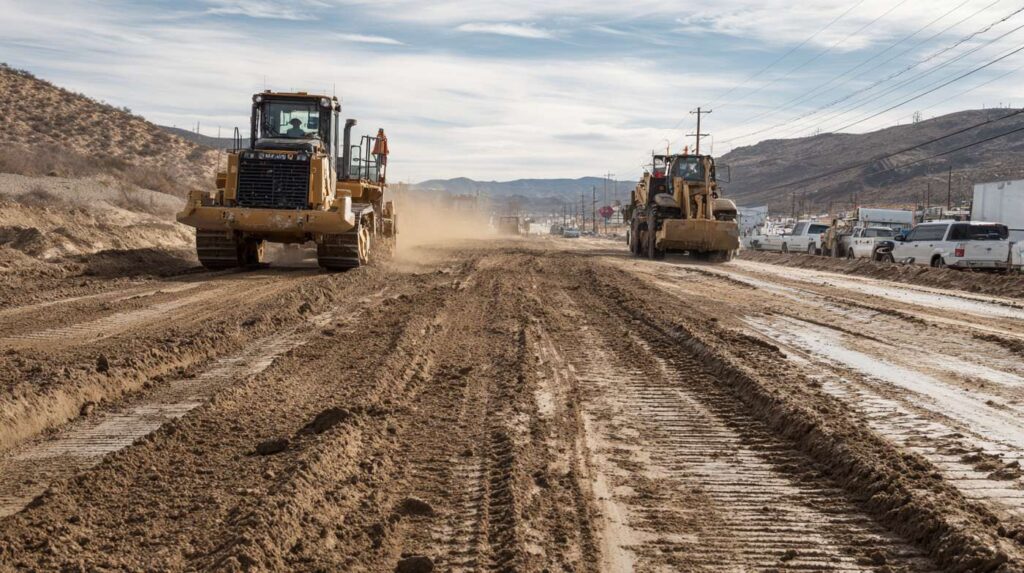
The Role of Construction Sand in Project Stability
Construction sand does a lot more than just fill space between larger aggregates. It is the invisible backbone that holds concrete and mortar together, giving them the strength and cohesion needed for safe, long-lasting structures. If you have ever wondered how construction sand improves project stability, the answer lies in its ability to distribute loads evenly, prevent shifting, and enhance the overall durability of a build.
When you combine sand with cement and water, it forms a dense, interlocking matrix that resists cracking and settling. This means that bridges, roads, and buildings can stand up to heavy use and environmental stress. But what happens if the sand is contaminated or poorly graded? You might see cracks, reduced compressive strength, or even catastrophic failures. In fact, studies show that up to 30% of construction failures can be traced back to substandard sand quality.
Experts in the field agree: using the right sand is not optional, it is essential. Research like the Effects of Fines Content on Durability of High-Strength Manufactured Sand Concrete highlights just how much sand quality affects performance. Real-world examples abound, from highways that crumble prematurely to buildings that develop dangerous cracks. Cleanliness and proper gradation are not just technical details, they are the keys to understanding how construction sand improves project stability.
Here is a quick summary of why sand quality cannot be ignored:
| Factor | Impact on Stability |
|---|---|
| Cleanliness | Prevents weak spots |
| Proper Gradation | Ensures even load transfer |
| Correct Fines | Boosts compressive strength |
Ultimately, if you want your project to last, do not cut corners with sand selection. Paying attention to the details today can save you from big headaches tomorrow.
Step-by-Step Guide: Selecting and Testing Construction Sand for Maximum Stability
Choosing the right sand for your project might seem simple, but each step can make a huge difference in how construction sand improves project stability. Let’s break it down so you can confidently select and test sand for any build.
Step 1: Identifying Project Requirements
First, assess your project’s structural needs and environment. Are you building a high-rise, a bridge, or a home foundation? Consider load demands, exposure to moisture, and local regulations. This step is crucial for understanding how construction sand improves project stability from the very start. Review relevant codes and standards to pinpoint the sand qualities your project requires.
Step 2: Sourcing Quality Construction Sand
Next, find reliable suppliers. Request certifications and check the sand’s origin to ensure consistency. Quality sources minimize the risk of impurities and variability. Inspect supplier documentation and, if possible, visit their sites to see the sand firsthand. Partnering with trusted vendors greatly reduces surprises later.
Step 3: Conducting On-Site Sand Testing
Before using any sand, conduct on-site tests. Key checks include silt content, particle size distribution, and moisture content. Use simple field kits or lab services. For detailed procedures, refer to the ASTM D4381/D4381M Standard Test Method for Sand Content by Volume of Construction Slurries, which offers step-by-step guidance for accurate field testing and ensures your sand meets industry benchmarks.
Step 4: Analyzing Test Results and Making Decisions
Review your test results with care. Compare findings against standards to confirm the sand’s suitability. This is where you see in numbers how construction sand improves project stability. If results show excessive silt or improper gradation, reject the batch. Only proceed with sand that meets your target specs for strength and durability.
Step 5: Implementing Sand in Construction Mixes
Finally, use your selected sand to create the ideal mix. Adjust cement and aggregate ratios to match the sand’s properties. Regularly monitor the mix consistency and keep records of each batch. This hands-on approach ensures lasting stability and prevents costly issues down the line.
Innovations and Trends in Construction Sand
Have you noticed how fast the construction industry is changing? If you want to stay ahead, it’s crucial to watch how construction sand improves project stability through new technologies and smarter approaches. Let’s dive into what’s reshaping the field..
Manufactured sand, or M-sand, is gaining traction as a top choice. Thanks to advanced crushing and screening technology, M-sand now offers uniform grain size and fewer impurities. This ensures consistent mixes, leading to stronger, more durable structures.
Eco-friendly alternatives are also entering the scene. Recycled sand from demolished concrete and sustainable mining practices are helping reduce environmental impact. There’s even renewed interest in sea sand for specialized applications, as highlighted by recent research on incorporating sea sand into self-compacting concrete. These options are not only greener but also address growing supply shortages.
New standards and digital monitoring tools are transforming quality control. Automated sensors now track sand gradation and moisture in real time, making it easier for you to ensure every batch meets strict guidelines. Regulatory bodies are tightening rules to guarantee high-quality sand, which directly affects how construction sand improves project stability.
Looking ahead, market forecasts show rising adoption of innovative sand types, but challenges like fluctuating costs and environmental pressures remain. The push toward green and smart construction means the role of sand will keep evolving, so staying informed is key if you want your projects to stand the test of time.
Common Mistakes and How to Avoid Them When Using Construction Sand
It’s surprising how often simple errors with construction sand can undermine even the best-planned builds. If you’re wondering how construction sand improves project stability, knowing what not to do is just as important as knowing best practices.
Frequent Mistakes That Jeopardize Stability
Let’s run through the big pitfalls:
- Using sand with the wrong grain size for your mix
- Failing to wash sand, leaving harmful silt or clay
- Skipping testing for contaminants or moisture
- Storing sand where it’s exposed to rain or debris
Each of these mistakes can weaken your structure. For example, unwashed sand can introduce salts and organic matter, which can corrode steel and reduce concrete strength. That’s not how construction sand improves project stability.
Pro Tips and a Quality Checklist
How do you steer clear of these issues? Here’s a checklist that professionals rely on:
- Always match sand type and grain size to your project needs
- Insist on clean, washed sand for all concrete and mortar mixes
- Test sand on-site for silt, moisture, and contamination
- Store sand on clean, covered surfaces to avoid pollution
- Review supplier certifications and sand origins
Want more details? Check out these common mistakes in construction for deeper insights and practical solutions.
Lessons Learned from the Field
Industry experts agree: most costly repairs stem from preventable sand mistakes. In one case, a highway project suffered early cracking simply because the sand wasn’t tested for silt content. These real-world examples prove that understanding how construction sand improves project stability can save you both time and money.
So, after diving into the ins and outs of construction sand and how it can make or break your project’s stability, maybe you’re realizing there’s a lot to consider—grain size, sourcing, testing, and even the latest trends. It’s a lot, right?
If you’re looking for expert guidance to make sure your next build stands the test of time, why not chat with someone who truly understands quality from the ground up? Whether you have a quick question or want a deeper dive, you can always Call for a Quote: 760-760-5969 (LYNX)and get the answers you need.