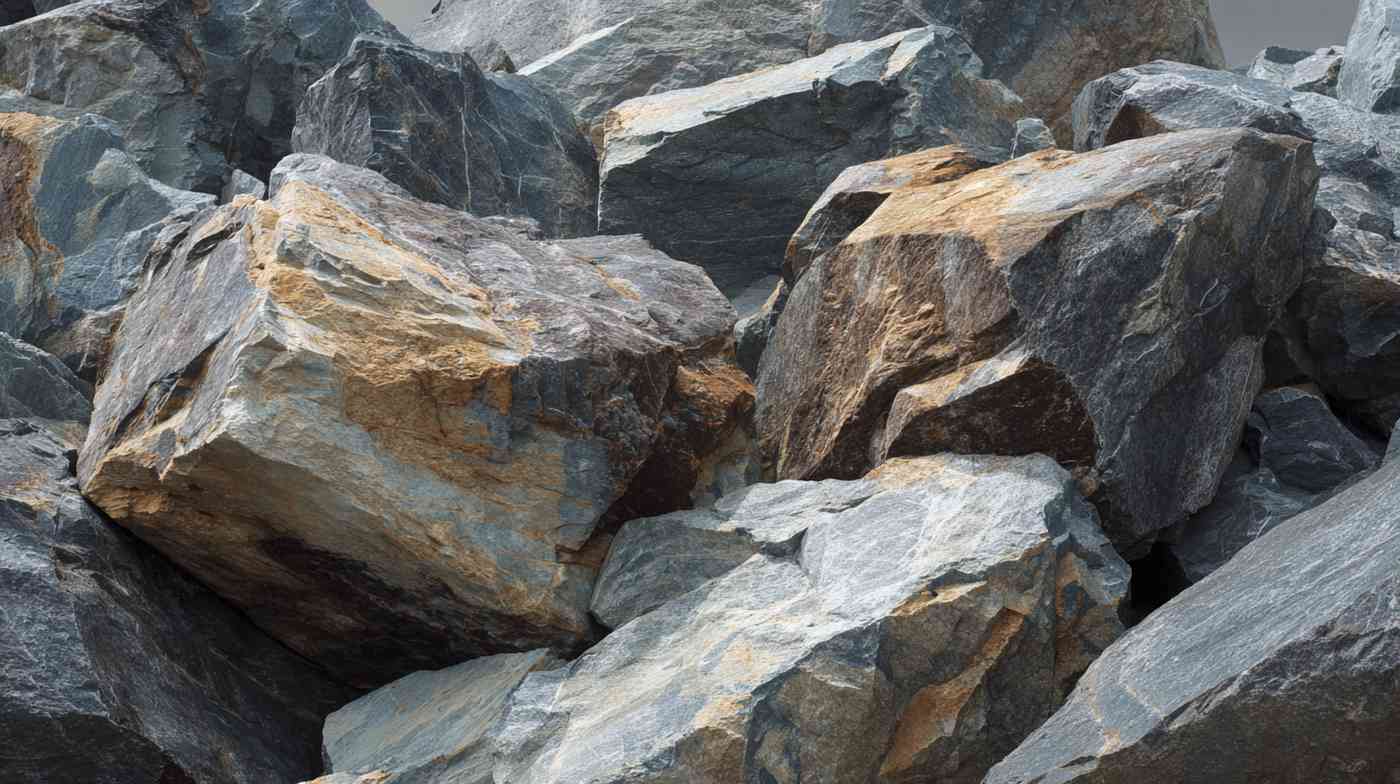
Granite has that unapologetic strength and stillness that makes engineers breathe easier and job sites feel solid before a single pour of concrete. When it comes to major infrastructure projects—think bridges, viaducts, harbors, and load-bearing marine applications—nothing quite matches the raw, foundational dignity of a properly quarried, properly cut granite block.
Granite for Marine Construction
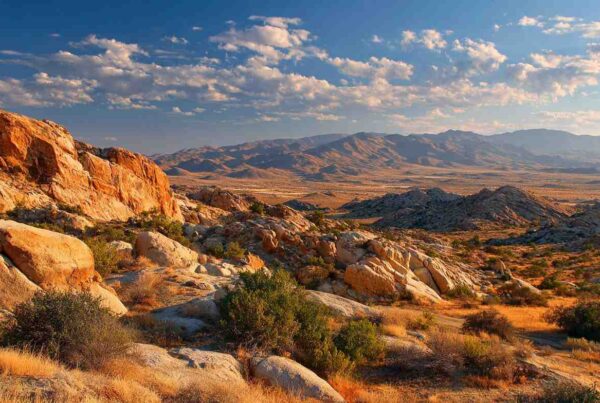
At Lynx Cat Mountain Quarry in Southern California, we don’t deal in decorative pebbles. We’re talking monolithic, structure-grade granite that’s been tested by geological time, formed under tectonic pressure, and capable of holding up more than just a retaining wall. These are blocks designed to take the weight—literally—of human ambition.
Understanding Granite’s Natural Superpowers
Granite isn’t just pretty. It’s a dense, coarse-grained igneous rock with high compressive strength and low water absorption.
That means it can handle enormous weight and resist erosion, freeze-thaw cycles, and saltwater degradation. These traits matter when you’re shoring up a coastline or building a span that’s expected to outlast the decade’s infrastructure budget.
Each block quarried at Lynx Cat is a piece of earth’s deep architecture—cut to meet specs, transported with care, and used in structures that demand zero guesswork. Sourcing granite isn’t just a procurement decision. It’s a performance one.

Matching Block to Use Case
Every project type has a sweet spot. For bridge abutments and retaining structures, you want squared, load-bearing blocks with minimal fissures and consistent grain. Marine projects, on the other hand, may require rougher quarried faces that allow for interlock and weight distribution against tides or surge.
We work with civil engineers, architects, and DOT teams to identify the block size, type, and finish that meets each application’s stress tolerance and design requirements. From intermodal transport yards to storm surge walls, we’ve learned that choosing the wrong stone costs a lot more than choosing the right one early on.
Getting It There (And Why That Matters in Marine Construction)
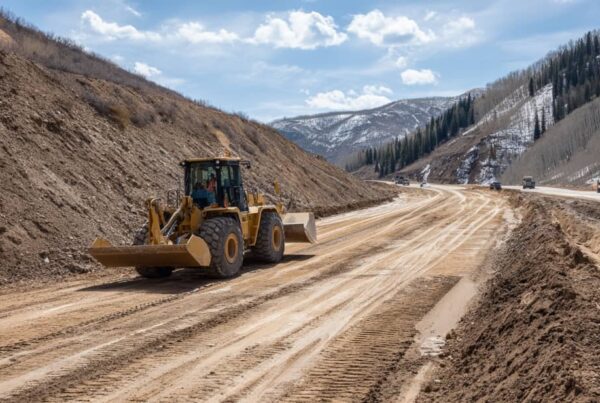
Logistics is where a lot of projects quietly fall apart. Oversized granite isn’t something you toss on the back of a pickup. You need regulated haul routes, proper lifting equipment, and coordination with job site delivery schedules. We’ve invested in getting this part right—because no one needs a 10-ton rock stuck halfway up a hill due to a permitting oversight.
If your supplier can’t answer basic DOT spec questions or show up with the right paperwork, you’re not just risking delays—you’re risking structural failure.
Why This Matters More Than It Seems
Granite blocks aren’t just inert materials. They hold bridges together. They keep rivers where they’re supposed to be. They give people a way across what used to be impassable. The psychological effect of something dependable, unmoving, and well-placed is hard to overstate.
And if you’ve worked in big construction for more than a minute, you know the real strength of a project often comes down to a thousand small decisions made early—most of them invisible later.
Choosing the right quarry is one of those decisions. It means fewer unknowns, fewer reworks, and a little more sleep for the structural team.
Get a Quote From Lynx Cat Mountain Quarry in Barstow California
If you need serious stone for serious work, call us. At Lynx Cat Mountain Quarry, we know what this rock can do—because we’ve seen where it’s gone. And we’ll help you get it there.
Call for a quote: 760-760-5969